Mastering Steak Kabobs: Tips for Tender Beef & Perfect Char
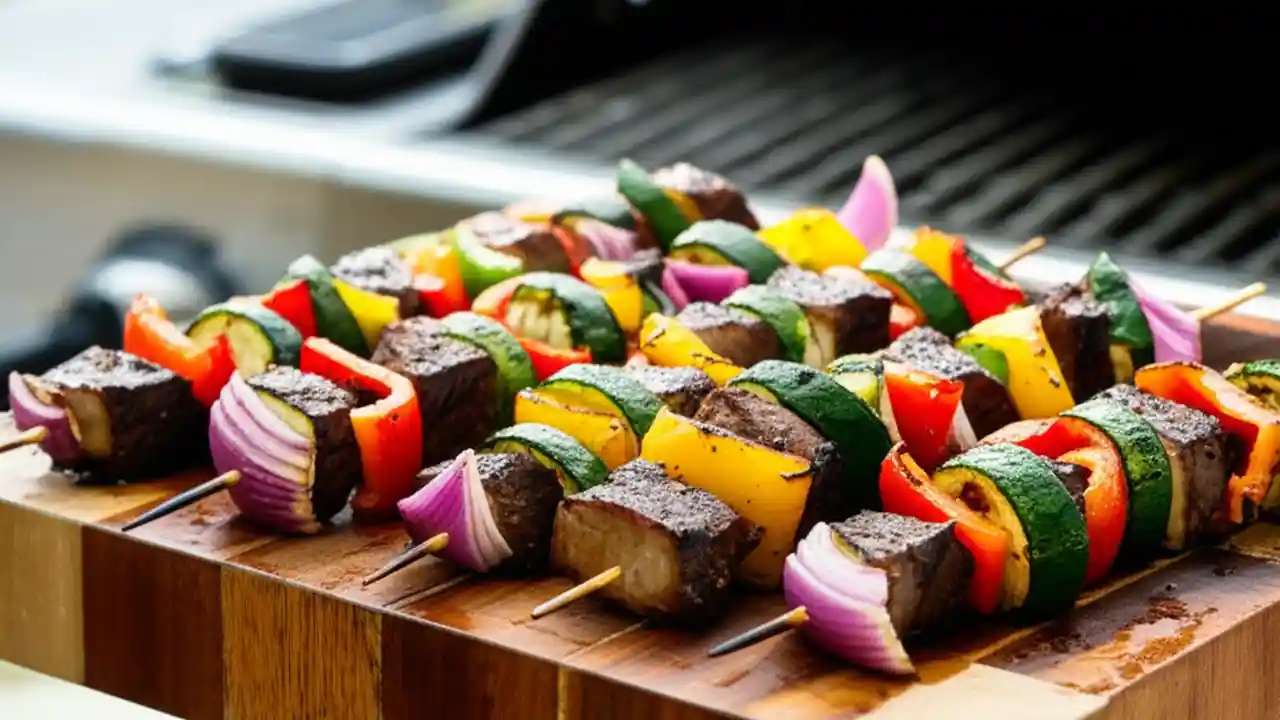
There's something inherently delightful about grilled steak kabobs. They're a vibrant symphony of flavors and textures, promising a satisfying meal that's as easy on the eyes as it is on the palate. Imagine succulent cubes of beef, kissed by smoke and flame, interspersed with colorful, caramelized vegetables. It's the quintessential summer cookout dish, embodying convenience, freshness, and incredible taste.
But while the concept of threading meat and veggies onto a skewer seems simple, achieving truly tender steak kabobs with that coveted perfect char requires a little know-how. This comprehensive guide will walk you through every step, from selecting the right cut of beef to mastering the grill, ensuring your next batch of steak kabobs is nothing short of legendary.
The Foundation: Choosing & Preparing Your Steak and Veggies
The journey to an unforgettable kabob begins with quality ingredients and precise preparation.
Selecting the Ideal Steak Cut
For kabobs, you need a cut of beef that offers a good balance of flavor, tenderness, and structure to hold up to grilling. Top sirloin is often hailed as the star for steak kabobs, and for good reason:
- Thickness: It's thicker than regular sirloin, making it easier to cut into uniform, substantial cubes.
- Flavor: It boasts a robust, beefy flavor that stands up well to marinades and grilling.
- Value: It's generally more affordable than premium cuts like tenderloin, while still delivering excellent results.
Other viable options include:
- Beef Tenderloin: For a more luxurious and incredibly tender option, though it comes at a higher price point.
- Ribeye: Offers excellent marbling and flavor, but can be a bit more challenging to cut into neat cubes due to fat distribution.
- Flank or Skirt Steak: If using these, ensure you cut them against the grain after grilling for maximum tenderness, as they can be tougher.
Cutting Technique: Regardless of the cut, consistency is key. Aim for evenly sized 1 to 1½-inch cubes. This ensures all pieces cook at roughly the same rate, preventing some from being overcooked while others are still raw.
Assembling Your Vegetable Medley
The visual appeal and added nutritional value of kabobs come largely from the vegetables. Bell peppers, in a medley of red, green, yellow, and orange, are a classic choice, offering sweetness, crunch, and vibrant color. Red onion adds a pungent bite that mellows beautifully on the grill.
Don't stop there! Consider these additions for variety and complementary flavors:
- Zucchini or Yellow Squash: Adds a soft, earthy component.
- Mushrooms: Especially cremini or button mushrooms, which become wonderfully savory when grilled.
- Cherry or Grape Tomatoes: Burst with juicy sweetness when heated.
- Pineapple Chunks: For a delightful sweet and tangy contrast, perfect for a tropical twist.
Just like the steak, cut your vegetables into pieces of similar size to the beef cubes. This not only aids in even cooking but also makes threading easier and looks more appealing.
Skewer Selection & Preparation
You have two main choices for skewers:
- Wooden Skewers: Economical and readily available. Always soak wooden skewers in water for at least 30-60 minutes before grilling to prevent them from burning on the grill.
- Metal Skewers: Reusable, durable, and conduct heat well, which can help cook the food from the inside out. No soaking required.
Crafting the Perfect Marinade for Tenderness and Flavor
The marinade is the secret weapon for infusing your steak kabobs with deep flavor and contributing significantly to that sought-after tenderness. A well-balanced marinade combines acidic elements for tenderization, savory components for umami, aromatic herbs and spices, and a touch of fat to help everything adhere and promote browning.
Essential Marinade Components
A classic, effective marinade for beef kabobs typically includes:
- Umami Powerhouses: Less-sodium soy sauce and Worcestershire sauce provide a rich, savory depth that perfectly complements beef.
- Tenderizing Acids: Lemon juice and balsamic vinegar are crucial. The acidity helps to break down the connective tissues in the steak, leading to a more tender bite. They also add bright, tangy notes.
- Aromatic Boosters: Smoked paprika not only adds color but also a wonderful smoky depth, mirroring the flavors of the grill. Fresh or dried rosemary and plenty of minced garlic are natural partners for beef, infusing it with herbaceous and pungent notes.
- Flavor and Emulsifier: Dijon mustard isn't just for flavor; its emulsifying properties help bind the marinade ingredients, ensuring it coats the steak evenly and clings throughout the grilling process.
- Healthy Fat: A good quality olive oil helps carry fat-soluble flavors, prevents sticking, and aids in achieving a beautiful char.
Beyond the Basics: Marinade Insights
When creating your marinade, consider the synergy of ingredients. The acidic components work to tenderize, but too much acid or too long a marinating time can start to "cook" the meat, making it mushy. The salt in soy sauce and Worcestershire helps with moisture retention and enhances flavor, while the aromatics provide the character.
Marinating Time is Crucial: Whisk all marinade ingredients together and pour over your cubed steak in a zip-top bag, ensuring all air is pressed out. Marinate in the refrigerator for a minimum of 2 hours, and up to 8 hours. Any less than 2 hours, and the flavors won't fully penetrate. Any longer than 8 hours, especially with acidic marinades, and the texture of the beef can become compromised.
A great marinade is particularly important when aiming for flavorful & healthy steak kabobs, as it elevates lean protein and veggies without adding excessive fats.
Assembling and Grilling Your Masterpiece
With your steak marinated and veggies prepped, it's time for the final assembly and the thrill of the grill.
Prepping Veggies for Success
Before threading, place your cut vegetables in a bowl with a drizzle of olive oil, salt, and pepper. Toss them thoroughly. This step is often overlooked but essential, as it ensures the veggies are seasoned, less likely to stick, and develop a more appealing char and flavor profile.
The Art of Threading Kabobs
Thread the marinated steak cubes onto your prepared skewers, alternating with bell peppers and onion pieces. The key here is not to pack them too tightly. Leave a small amount of space between each piece. This allows for better airflow, ensuring more even cooking and allowing heat to reach all surfaces, which is critical for that desired char.
Grilling Techniques for Perfect Char and Tenderness
Preheat your grill to medium-high heat. Ensure your grates are clean and lightly oiled to prevent sticking.
- High Heat, Quick Cook: Kabobs cook quickly. Place them directly over the heat, listening for that satisfying sizzle.
- Rotate for Evenness: Turn the kabobs every few minutes to ensure all sides of the steak and veggies get direct contact with the heat, developing an even char. You're looking for beautifully browned and slightly blackened edges on both the beef and the vegetables.
- Monitor Temperature: The ultimate goal for tender steak is not to overcook it. Use an instant-read meat thermometer. For perfect medium-rare, aim for 130-135°F. For medium, pull them off the grill when they reach 140-145°F. Remember that the meat will continue to cook a few degrees after it's removed from the heat (carryover cooking).
- Veggies Done Right: By the time your steak reaches its desired doneness, the vegetables should be tender-crisp with a delightful smoky char.
- Rest Your Steak: Once off the grill, transfer the kabobs to a platter and loosely tent with foil. Let them rest for 5-10 minutes. This allows the juices to redistribute throughout the meat, resulting in a much more tender and flavorful steak.
Beyond the Basics: Advanced Tips and Customizations
Once you've mastered the fundamentals, feel free to experiment and make these steak kabobs your own!
- Spice It Up: For those who love a kick, add a pinch of chili flakes or a few dashes of your favorite hot sauce to the marinade.
- Global Flavors:
- Mediterranean: Add cherry tomatoes, halloumi cheese, and swap rosemary for oregano in the marinade. Serve with a dollop of tzatziki.
- Asian Fusion: Incorporate fresh ginger and sesame oil into the marinade. Add shiitake mushrooms and serve with a sprinkle of sesame seeds.
- Tex-Mex: Use cumin and chili powder in the marinade, add corn kernels (par-boiled), and serve with a squeeze of lime and fresh cilantro.
- Make Ahead Advantage: The steak can be marinated up to 8 hours in advance. Chop your veggies and store them in separate airtight containers in the fridge. Assemble and grill when ready for a quick weeknight meal or party starter.
- Serving Suggestions: Steak kabobs are incredibly versatile. Serve them alongside fluffy rice, quinoa, a fresh green salad, or wrapped in warm flatbreads. A side of chimichurri, garlic aioli, or a simple yogurt-dill sauce can elevate the experience further.
Mastering steak kabobs means understanding the nuances of meat selection, marinade chemistry, and grilling technique. By focusing on even cuts, a flavorful tenderizing marinade, and precise grilling temperatures, you'll consistently achieve juicy, tender beef and that irresistible perfect char. Embrace the versatility, experiment with flavors, and enjoy the delicious rewards of these vibrant, satisfying grilled skewers all summer long!
